Contact Us

support@psogi.com

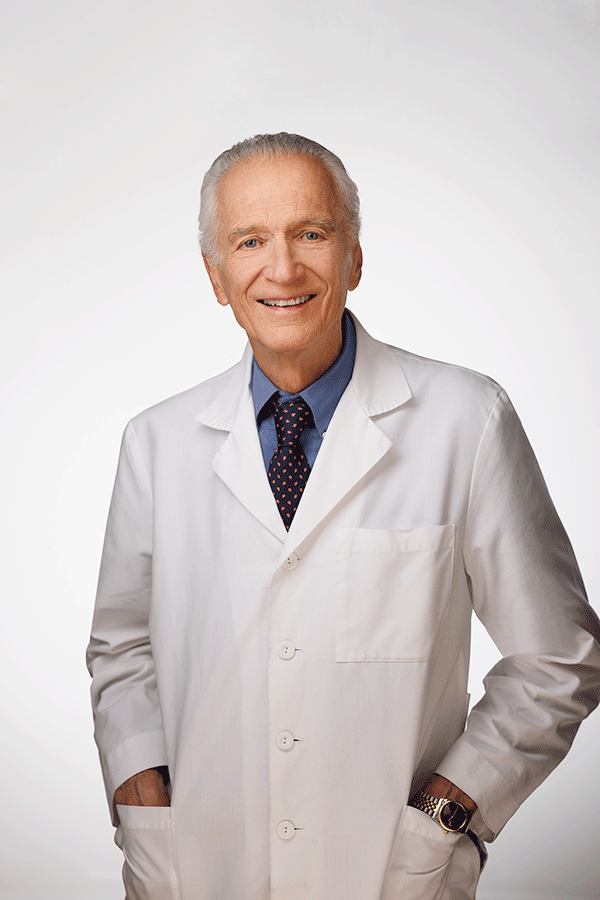
Dr. Paul Hendrick Sugarbaker

Dr. Paul Hendrick Sugarbaker was born in Baltimore (MD, USA). His elementary and high school education was in Middle Missouri in Jefferson City. His college education took place at Wheaton College in Illinois. He graduated from Cornell University Medical College in New York (USA) and from there went for his surgical training at the Peter Bent Brigham Hospital in Boston (MA, USA), now known as Brigham and Women’s Hospital. He received a Masters Degree in Immunology at the Harvard School of Arts and Sciences in 1983. At the NIH he was a Senior Investigator from 1976 to 1986. After 3 years in Atlanta at the Emory Clinic he moved back to Washington (DC, USA) to become the Medical Director of the Washington Cancer Institute. He has been at the Washington Cancer Institute since 1989. He was the Director for the Program in Peritoneal Surface Malignancy from 1989-2020. His interests are in gastrointestinal cancer, gynecologic malignancy and mesothelioma. Currently, his clinical and investigative work is directed at the peritoneal surface component of gastrointestinal and gynecologic cancer dissemination, referred to as peritoneal metastases. Dr Sugarbaker is a strong critic of surgical tradition; he believes that major changes in the technology of cancer resection are necessary. His theme, “It’s what the surgeon doesn’t see that kills the patient”, summarizes the concepts behind many of his publications both in the peer-reviewed medical literature and in the lay press. In the opinion of Dr Sugarbaker, perioperative intravenous and intraperitoneal chemotherapy are an essential planned part of many cancer interventions. Dr. Sugarbaker is currently the Secretary General, Peritoneal Surface Oncology Group International (PSOGI) and Editor of PSOGI World News.

Brendan John Moran

Dr. Paul Hendrick Sugarbaker was born in Baltimore (MD, USA). His elementary and high school education was in Middle Missouri in Jefferson City. His college education took place at Wheaton College in Illinois. He graduated from Cornell University Medical College in New York (USA) and from there went for his surgical training at the Peter Bent Brigham Hospital in Boston (MA, USA), now known as Brigham and Women’s Hospital. He received a Masters Degree in Immunology at the Harvard School of Arts and Sciences in 1983. At the NIH he was a Senior Investigator from 1976 to 1986. After 3 years in Atlanta at the Emory Clinic he moved back to Washington (DC, USA) to become the Medical Director of the Washington Cancer Institute. He has been at the Washington Cancer Institute since 1989. He was the Director for the Program in Peritoneal Surface Malignancy from 1989-2020. His interests are in gastrointestinal cancer, gynecologic malignancy and mesothelioma. Currently, his clinical and investigative work is directed at the peritoneal surface component of gastrointestinal and gynecologic cancer dissemination, referred to as peritoneal metastases. Dr Sugarbaker is a strong critic of surgical tradition; he believes that major changes in the technology of cancer resection are necessary. His theme, “It’s what the surgeon doesn’t see that kills the patient”, summarizes the concepts behind many of his publications both in the peer-reviewed medical literature and in the lay press. In the opinion of Dr Sugarbaker, perioperative intravenous and intraperitoneal chemotherapy are an essential planned part of many cancer interventions. Dr. Sugarbaker is currently the Secretary General, Peritoneal Surface Oncology Group International (PSOGI) and Editor of PSOGI World News.

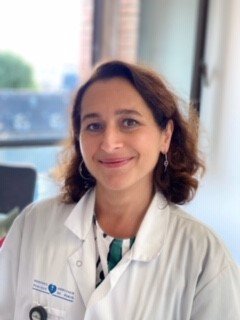
Diane Goéré

Prof. Goéré is a digestive surgeon specializing in oncological surgery, having worked for 13 years at the Gustave Roussy Institute, where she served as head of department between 2015 and 2018. Prof. Goéré now works in a teaching hospital at Saint-Louis Hospital in Paris. These areas of specificity are the surgical treatment of metastases of colorectal cancer (hepatic, peritoneal, pelvic recurrence); the treatment of primary peritoneal disease and HIPEC, treatments associated with surgery such as hepatic intra-arterial chemotherapy, thermal destruction of liver lesions, treatment of gastroesophageal cancers. Her research activities are mainly focused on the optimization of surgical treatments by local treatments and immunomodulatory treatments.

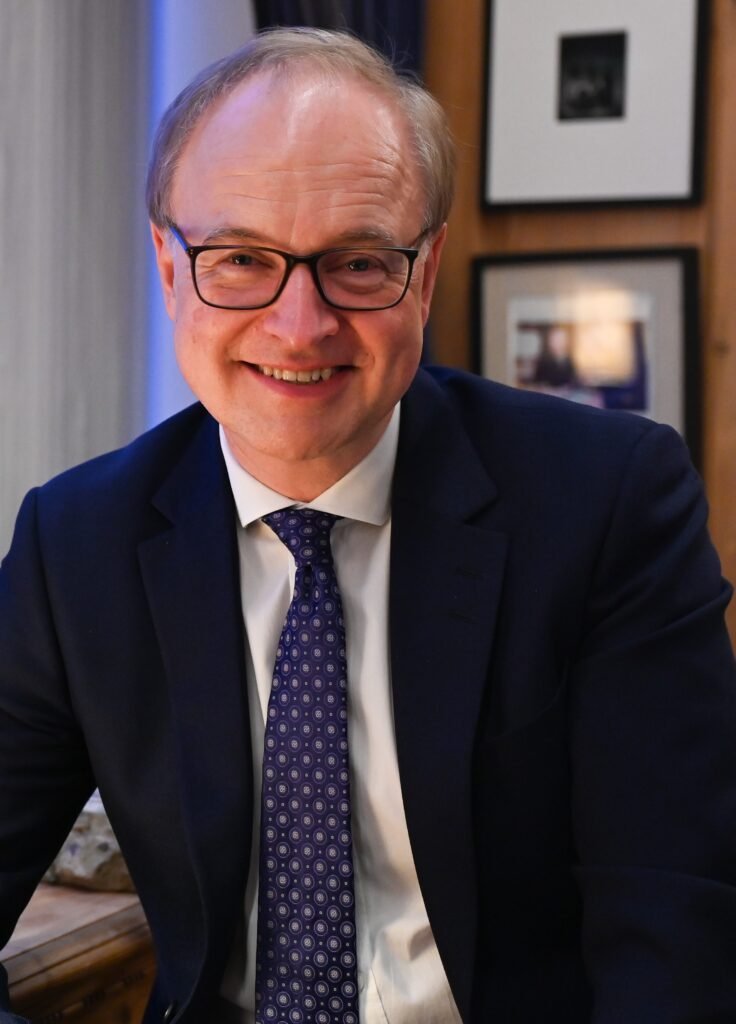
Prof. Dr. med. Dr. h.c. Pompiliu Piso

Prof. Dr. med. Dr. h.c. Pompiliu Piso (born 11 December 1967) is a leading German surgeon specializing in general and visceral surgery, currently serving as Chief of the Department of General and Visceral Surgery at the Hospital Barmherzige Brüder in Regensburg, a teaching hospital of the University of Regensburg. He completed his medical training at the Medical School of Hanover, earning his MD with magna cum laude in 2001 and habilitation in 2002, and became a certified specialist in surgery (1999), visceral surgery (2002), and emergency medicine (1998). After serving as Surgical Resident and later Attending Surgeon in Hanover, he was Deputy Director at University Hospital Regensburg (2004–2010) before assuming his current leadership role in 2011. His clinical focus includes advanced gastrointestinal malignancies, and he leads multiple certified centers, including a Cancer Center for Visceral Oncology. A recognized expert in robotic colorectal surgery, he received European certification in 2019. Prof. Piso has been principal or co-principal investigator in major clinical trials and has authored over 380 publications with an H-index of 56 and more than 12,000 citations. He has delivered over 500 invited lectures worldwide and held key leadership roles, including President of the German Society of General and Visceral Surgery (2023–2024). He is also actively involved in international oncology organizations, editorial boards, and scientific mentorship programs.

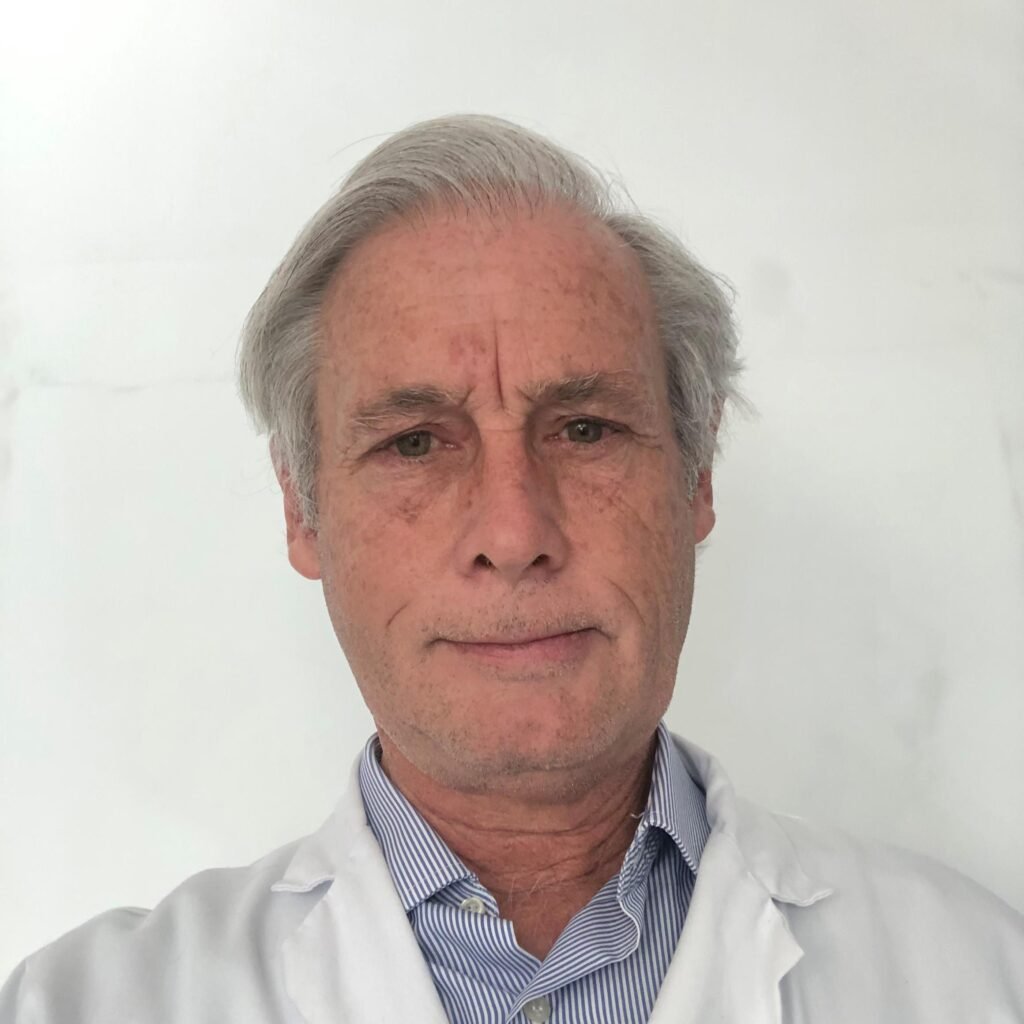
Dr Fernando Pereira

Dr. Fernando Pereira Pérez, born in Madrid, Spain, completed his early education in his hometown before earning his medical degree from the Universidad Autónoma de Madrid, laying the groundwork for a distinguished career in surgery. He specialized in General and Digestive Surgery at Hospital Universitario Puerta de Hierro (1983–1988), where he also obtained his PhD, and continued on staff for 15 years, focusing on liver transplantation and hepatopancreatobiliary (HPB) surgery with extensive experience in complex procedures and multidisciplinary care. Since 2004, he has served as Professor of Surgery at Universidad Rey Juan Carlos and Head of the Department of Surgery at Hospital Universitario de Fuenlabrada, Madrid, where he expanded his expertise to peritoneal surface malignancies (PSM). He played a pivotal role in establishing the hospital’s PSM Unit in 2006, which has become one of Spain’s leading centers, performing around 100 cytoreductive surgery (CRS) and hyperthermic intraperitoneal chemotherapy (HIPEC) procedures annually. A prominent leader in surgical oncology, he has been a member of the Spanish Society of Surgical Oncology (SEOQ) Board since 2017, served as Coordinator of GECOP (2019–2022), and is President of SEOQ (2024–2026). In October 2025, he presided over the 15th PSOGI International Congress in Barcelona. He is also actively involved in humanitarian surgical missions in Africa, contributing annually since 2010, while continuously advancing oncologic surgery through clinical practice, teaching, and innovation.

PSOGI is dedicated to improve treatment and survival of patients with peritoneal metastases

PSOGI is a collaboration of world–renowned experts on the treatment of peritoneal cancer.

PSOGI aims to improve the treatment and survival of peritoneal cancer patients by educating patients, by training physicians, by organizing meetings and by performing basic and clinical scientific research into peritoneal cancer and the different treatment modalities.

Join Our Community

We will only send relevant news and no spam

You have been successfully Subscribed! Ops! Something went wrong, please try again.