Contact Us

support@psogi.com

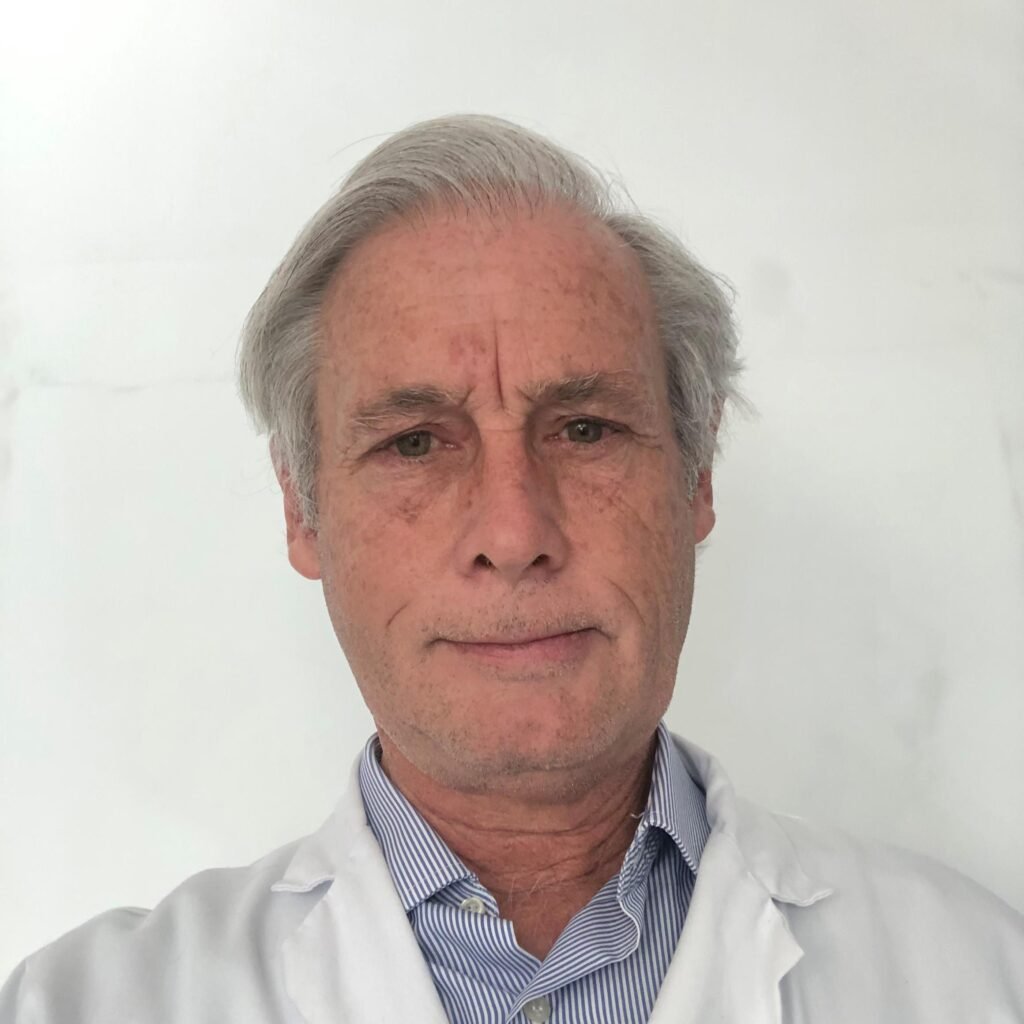
Dr. Paul Hendrick Sugarbaker

Dr. Paul Hendrick Sugarbaker was born in Baltimore (MD, USA). His elementary and high school education was in Middle Missouri in Jefferson City. His college education took place at Wheaton College in Illinois. He graduated from Cornell University Medical College in New York (USA) and from there went for his surgical training at the Peter Bent Brigham Hospital in Boston (MA, USA), now known as Brigham and Women’s Hospital. He received a Masters Degree in Immunology at the Harvard School of Arts and Sciences in 1983. At the NIH he was a Senior Investigator from 1976 to 1986. After 3 years in Atlanta at the Emory Clinic he moved back to Washington (DC, USA) to become the Medical Director of the Washington Cancer Institute. He has been at the Washington Cancer Institute since 1989. He was the Director for the Program in Peritoneal Surface Malignancy from 1989-2020. His interests are in gastrointestinal cancer, gynecologic malignancy and mesothelioma. Currently, his clinical and investigative work is directed at the peritoneal surface component of gastrointestinal and gynecologic cancer dissemination, referred to as peritoneal metastases. Dr Sugarbaker is a strong critic of surgical tradition; he believes that major changes in the technology of cancer resection are necessary. His theme, “It’s what the surgeon doesn’t see that kills the patient”, summarizes the concepts behind many of his publications both in the peer-reviewed medical literature and in the lay press. In the opinion of Dr Sugarbaker, perioperative intravenous and intraperitoneal chemotherapy are an essential planned part of many cancer interventions. Dr. Sugarbaker is currently the Secretary General, Peritoneal Surface Oncology Group International (PSOGI) and Editor of PSOGI World News.

Brendan John Moran

Dr. Paul Hendrick Sugarbaker was born in Baltimore (MD, USA). His elementary and high school education was in Middle Missouri in Jefferson City. His college education took place at Wheaton College in Illinois. He graduated from Cornell University Medical College in New York (USA) and from there went for his surgical training at the Peter Bent Brigham Hospital in Boston (MA, USA), now known as Brigham and Women’s Hospital. He received a Masters Degree in Immunology at the Harvard School of Arts and Sciences in 1983. At the NIH he was a Senior Investigator from 1976 to 1986. After 3 years in Atlanta at the Emory Clinic he moved back to Washington (DC, USA) to become the Medical Director of the Washington Cancer Institute. He has been at the Washington Cancer Institute since 1989. He was the Director for the Program in Peritoneal Surface Malignancy from 1989-2020. His interests are in gastrointestinal cancer, gynecologic malignancy and mesothelioma. Currently, his clinical and investigative work is directed at the peritoneal surface component of gastrointestinal and gynecologic cancer dissemination, referred to as peritoneal metastases. Dr Sugarbaker is a strong critic of surgical tradition; he believes that major changes in the technology of cancer resection are necessary. His theme, “It’s what the surgeon doesn’t see that kills the patient”, summarizes the concepts behind many of his publications both in the peer-reviewed medical literature and in the lay press. In the opinion of Dr Sugarbaker, perioperative intravenous and intraperitoneal chemotherapy are an essential planned part of many cancer interventions. Dr. Sugarbaker is currently the Secretary General, Peritoneal Surface Oncology Group International (PSOGI) and Editor of PSOGI World News.

PSOGI is dedicated to improve treatment and survival of patients with peritoneal metastases

PSOGI is a collaboration of world–renowned experts on the treatment of peritoneal cancer.

PSOGI aims to improve the treatment and survival of peritoneal cancer patients by educating patients, by training physicians, by organizing meetings and by performing basic and clinical scientific research into peritoneal cancer and the different treatment modalities.

Join Our Community

We will only send relevant news and no spam

You have been successfully Subscribed! Ops! Something went wrong, please try again.